Support - 01540782627 (9am-9pm)
Orchid farming is a delicate yet rewarding endeavor that requires proper knowledge and attention to detail. With the right care, orchids can flourish, producing beautiful blooms and healthy foliage. This guide highlights the essential practices for cultivating thriving orchids, whether you’re a beginner or looking to expand your orchid farming expertise.
The first step in successful orchid farming is choosing species suited to your growing environment. For beginners, it’s best to start with hardy varieties like:
Orchids naturally grow in tropical regions, so recreating their native habitat is crucial for success. Key environmental factors include:
Proper watering is vital to orchid health. Overwatering can lead to root rot, while underwatering can cause the plant to wilt. Use the following tips for watering orchids:
Orchids don’t grow well in traditional potting soil. Instead, they require a well-draining medium that provides good airflow to the roots. Ideal potting materials include:
Choose pots with drainage holes to prevent water from accumulating at the bottom.
To encourage growth and blooming, orchids need to be fertilized regularly during their growing season (spring and summer). Use a balanced orchid fertilizer (such as 20-20-20) every two weeks. In fall and winter, reduce fertilization, as orchids enter a resting period.
Orchids should be repotted every 1-2 years, or when the potting medium starts to break down. Repotting helps prevent root rot and allows the plant to continue growing. Repot in the spring before the growing season begins, using fresh medium and a slightly larger pot if necessary.
Pests such as aphids, spider mites, and scale insects can affect orchid plants. To prevent infestations:
Propagation allows you to grow new orchids from existing plants. The easiest method is division:
Once orchids bloom, proper care will ensure the flowers last longer. Keep the orchids in their usual spot with indirect light and consistent humidity. Avoid moving the plant too much, as this can cause flower drop.
Orchid farming can be both a challenging and fulfilling endeavor. By following these essential practices, you can cultivate healthy, thriving orchids that will produce beautiful blooms year after year. With the right environment, watering techniques, and consistent care, your orchids will flourish.


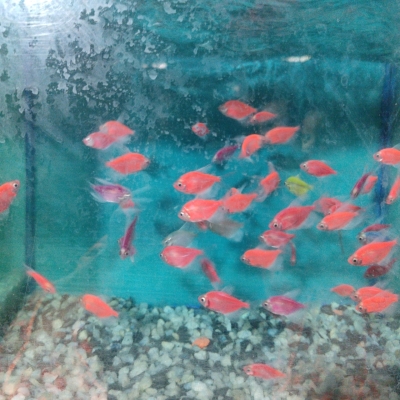
Guppy fish farming is a rewarding and profitable venture for both hobbyists and commercial fish farmers. Known for their vibrant colors, guppies are p
"Tips for a Thriving Aquatic Environment" Caring for aquatic plants involves understanding their specific needs related to light, temperature, wate
Providing a comfortable and stimulating environment is essential for the well-being of indoor rabbits. In this comprehensive guide, we'll explore the
1. Introduction: Importance of Proper Poultry Farm Equipment Why Equipment Matters: The role of quality equipment in maintaining productivity, e
Feeding plays a critical role in angelfish farming, directly impacting growth rates, health, and overall productivity. Implementing effective feeding
Sunflowers (Helianthus annuus) are a favorite among gardeners for their bright, bold flowers and ease of growth. Whether you’re growing them for the
Comet goldfish are popular for their vibrant colors and lively nature, making them a favorite among fish enthusiasts. However, providing the right car
Essential Techniques for Hydrating Healthy and Blooming GardensWater, the lifeblood of every garden, plays a pivotal role in nurturing vibrant and flo
Introduction: Why Balanced Feeding is Key for Poultry Health Importance of Nutrition: Proper nutrition is critical for poultry health, influencing
Optimizing water conditions is crucial for the health and growth of angelfish in a large-scale farming operation. Water quality directly impacts angel
Budgerigar bird farming offers exciting opportunities for breeders to expand their operations while maintaining high productivity. To succeed in breed
Guppy fish farming is an increasingly popular and profitable venture due to the high demand for these colorful, hardy fish in the aquarium trade. Whet