Marlin Aqua
Support - 01540782627 (9am-9pm)

Guppy Fish Farming A Complete Guide to Success

October 16, 2024

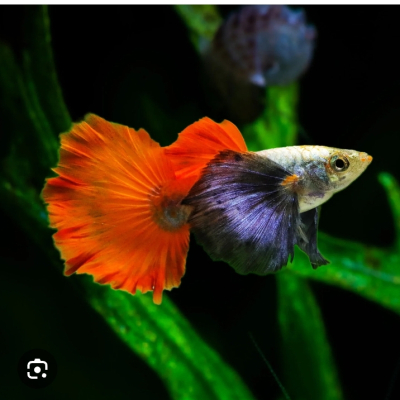
Guppy fish farming is an increasingly popular and profitable venture due to the high demand for these colorful, hardy fish in the aquarium trade. Whether you're starting as a hobbyist or aiming to build a commercial guppy farm, understanding the key aspects of guppy fish farming will help ensure your success. This guide covers essential tips, from setting up the breeding tanks to maintaining optimal water conditions and managing the guppies’ diet.


1. Setting Up Your Guppy Fish Farm

Before starting guppy farming, it's essential to set up the tanks properly to create a healthy and productive environment for breeding. Here's what you need to consider:


  • Tank Size: Guppies can be bred in tanks as small as 20 gallons, but larger tanks (40-100 gallons) are recommended for commercial farming.

  • Water Conditions: Guppies thrive in water temperatures between 24-28°C, with a pH level of 6.8 to 7.8. Maintaining stable water conditions is critical for successful breeding.

  • Filtration and Aeration: A good filtration system is essential to keep the water clean and oxygenated. Aeration devices like air pumps will help provide oxygen to the fish, which is important for their growth.

  • Lighting: Provide 8-12 hours of lighting daily to encourage healthy growth and breeding.

  • Substrate and Plants: While not mandatory, adding gravel and live plants like Java moss can create a natural environment for guppies to breed and hide.


2. Selecting Breeding Stock

Choosing high-quality breeding stock is critical for guppy farming success. Look for guppies with vibrant colors, symmetrical fins, and no visible health issues.


  • Types of Guppies: There are various guppy strains such as the cobra, snakeskin, and tuxedo guppies. Depending on market demand, you can select the strain that best suits your needs.

  • Gender Ratio: A common breeding practice is to keep a male-to-female ratio of 1:2 or 1:3, as female guppies can store sperm and produce fry multiple times from a single mating.


3. Breeding Guppy Fish

Guppies are livebearers, meaning they give birth to free-swimming young instead of laying eggs. Breeding guppies is relatively easy, but there are a few things to keep in mind:


  • Mating: Guppies will breed readily in well-maintained tanks. Females can give birth to up to 200 fry in a single batch.

  • Separating Fry: After birth, it’s essential to separate the fry from adult guppies as they may eat the young. Use breeding boxes or a separate fry tank.

  • Feeding Fry: Baby guppies require a nutritious diet to grow quickly. Feed them high-quality fry food, baby brine shrimp, or crushed flakes.


4. Feeding and Nutrition

Proper nutrition is key to the health and growth of both adult guppies and fry.


  • Food for Adults: A varied diet of flake food, live or frozen foods such as brine shrimp, bloodworms, and daphnia will provide the necessary nutrients. You can also use high-protein guppy-specific pellets.

  • Frequency: Feed adult guppies twice a day, offering only as much food as they can eat in 3-5 minutes. Overfeeding can lead to water pollution and health problems.

  • Supplements: You can add vitamin supplements to ensure vibrant coloration and improve breeding success.


5. Maintaining Water Quality

Good water quality is crucial in guppy farming, especially if you want to minimize disease and maximize growth.


  • Water Changes: Perform partial water changes (25-30%) every week to remove toxins and keep the environment clean.

  • Testing: Regularly test water parameters like temperature, pH, ammonia, nitrate, and nitrite levels to ensure they remain within safe ranges.

  • Filtration: Invest in efficient filtration systems to reduce waste buildup and keep the water clear.


6. Common Diseases and Prevention

Guppies, like any fish, are susceptible to various diseases. Understanding these diseases and their prevention is essential for a healthy farm.


  • Common Diseases: Guppies can suffer from fin rot, ich (white spot disease), and velvet disease. Recognizing symptoms early, such as lethargy, loss of appetite, or unusual spots, can save your stock.

  • Treatment: Use medications designed for freshwater fish to treat diseases. Quarantining new fish before introducing them into the main tank will help prevent the spread of infections.

  • Preventative Care: Keeping tanks clean, avoiding overfeeding, and maintaining optimal water quality are the best preventive measures against diseases.


7. Marketing and Selling Guppies

Once your guppy farm is established and you're ready to sell your fish, you need to explore different markets and selling strategies:


  • Local Pet Shops: Reach out to pet shops in your area to supply guppies directly.

  • Online Sales: You can sell guppies through online platforms like Facebook Marketplace, OLX Bangladesh, or specialized aquarium forums.

  • Exporting: For larger operations, consider exporting guppies to international markets where demand is high.

  • Breeding for Specific Markets: Focus on producing popular guppy strains or colors that are in demand. Fancy guppies often fetch higher prices.


Conclusion

Guppy fish farming can be a rewarding and profitable endeavor if done correctly. By ensuring optimal tank conditions, selecting high-quality breeding stock, maintaining water quality, and providing a nutritious diet, you can successfully grow and breed guppy fish. Whether you're farming on a small or commercial scale, following these best practices will help you build a thriving guppy fish business.


Read more

Orchid Farming Made Easy: How to Grow and Care for

Orchid farming can be an enjoyable and profitable venture when you know the right techniques. Whether you're growing orchids for personal enjoyment or

Blue Topaz Guppy: A Complete Care Guide for Hobbyi

The Blue Topaz Guppy is a stunning freshwater fish adored by aquarium enthusiasts for its shimmering blue coloration and graceful fins. This care guid

The Joy of Keeping Guppy Fish Tips and Tricks

Guppy fish are among the most popular choices for aquarium enthusiasts, especially beginners. Their vibrant colors, lively behavior, and relatively si

Building a Java Moss Tree: DIY Guide for Beautiful

Introduction A Java Moss tree is one of the most captivating additions to any freshwater aquarium. It brings a touch of nature, providing both beauty

Beginners Guide to Comet Fish: Care, Feeding, and

Comet fish, also known as comet goldfish, are a popular choice for aquarium hobbyists due to their vibrant color, active nature, and hardiness. Howeve

Yellow Mosaic Guppy: A Complete Care Guide for The

Yellow Mosaic Guppies are a stunning variety of guppies known for their bright yellow bodies and intricate mosaic tail patterns. Their vibrant appeara

Guppy Fish Insights Essential Information for Aqua

Guppy fish, known for their vibrant colors and lively personalities, are among the most popular freshwater fish for aquarists of all experience levels

Guppy Fish Essentials Best Practices for a Thrivin

Guppy fish are a popular choice among aquarists due to their vibrant colors, hardy nature, and lively personalities. Whether you're a beginner or an e

Blue Grass Guppy Compatibility: Best Tank Mates fo

Blue Grass Guppies are stunning and peaceful fish that thrive in community tanks when paired with compatible tank mates. Choosing the right companions

Enriching Your Bunnys World: A Guide to Rabbit Toy

A Guide to Rabbit Toys and Enrichment Enriching your rabbit's environment with engaging toys and activities is essential for their physical and menta

A Beginners Guide to Successful Orchid Farming: Es

Orchid farming is a rewarding venture for beginners, offering both beauty and potential profitability. This guide covers essential tips and techniques

Choosing the Perfect Nest: A Guide to Rabbit Beddi

Selecting suitable bedding is essential for providing comfort, hygiene, and safety to your pet rabbits. In this comprehensive guide, we'll explore the


Just for you