Support - 01540782627 (9am-9pm)
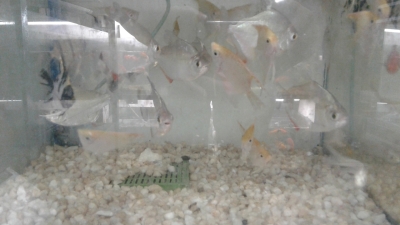
Angelfish farming can be a rewarding venture, but maintaining the health of your fish is crucial to success. High mortality rates can significantly impact your profits and the sustainability of your operation. Here are several effective strategies to help reduce mortality rates in angelfish farming.
Maintaining high water quality is one of the most critical factors in reducing angelfish mortality. Regularly test for pH, ammonia, nitrite, and nitrate levels. The ideal pH for angelfish is between 6.5 and 7.5. Ammonia and nitrite levels should be at zero, while nitrate levels should be kept below 20 ppm. Use a reliable filtration system and conduct regular water changes to keep these parameters in check.
Proper nutrition plays a vital role in the health and growth of angelfish. Offer a varied diet that includes high-quality flake food, pellets, and live or frozen foods like brine shrimp and bloodworms. Avoid overfeeding, as leftover food can pollute the water and increase the risk of disease. Feed your angelfish 2-3 times a day in small amounts that they can consume within a few minutes.
Introducing new fish into your farm without proper quarantine can lead to the spread of diseases and parasites. Always quarantine new fish for at least two weeks in a separate tank to monitor for signs of illness. This practice allows you to treat any potential health issues before they affect your main stock, significantly reducing the risk of mortality.
Stress is a leading cause of mortality in angelfish. Factors such as poor water quality, inadequate tank size, overcrowding, and sudden changes in temperature can cause stress. Ensure that your tanks are appropriately sized and not overcrowded, maintain stable water temperatures, and minimize sudden environmental changes to keep your angelfish healthy and stress-free.
A proactive health management plan is essential for preventing diseases and reducing mortality rates. Regularly inspect your fish for signs of illness, such as abnormal swimming behavior, discoloration, or fin damage. Develop a treatment plan that includes the use of medications and isolation tanks for infected fish. Vaccination, where applicable, can also help prevent common diseases.
Angelfish require adequate oxygen levels to thrive. Insufficient oxygen can lead to stress and increased mortality. Ensure good water circulation with the help of aerators or air stones, especially in densely stocked tanks. Regularly monitor oxygen levels and make adjustments as needed to keep your fish healthy.
Proper lighting is crucial for the well-being of angelfish. Overexposure to light can stress fish, while insufficient light can affect their natural behaviors. Provide a consistent photoperiod of 10-12 hours of light per day, using timers to maintain regularity. Adjust lighting according to seasonal changes and ensure that your tanks have areas where fish can retreat from bright lights if needed.
Clean and well-maintained tanks are less likely to harbor harmful bacteria and parasites. Regularly remove debris and uneaten food from the tank to prevent water contamination. Clean tank surfaces and replace or rinse filter media as per the manufacturer's instructions to maintain optimal filtration and water quality.
Angelfish are sensitive to temperature fluctuations. Keep the water temperature stable between 78°F and 82°F (25°C to 28°C) using reliable heaters and thermometers. Sudden changes in temperature can cause stress and weaken the immune system of angelfish, increasing mortality risk.
Medications can be effective for treating certain diseases and parasites, but they should be used cautiously to avoid resistance and negative effects on beneficial bacteria. Always follow the manufacturer’s guidelines and consult a veterinarian or aquatic specialist when using medications in your angelfish farm.
Selective breeding for traits such as disease resistance and stress tolerance can help reduce mortality rates in the long term. Choose healthy, robust angelfish with desirable traits for breeding to improve the overall quality and survival rates of your stock. Avoid breeding fish that have shown susceptibility to diseases or other health issues.
By implementing these best practices, you can significantly reduce mortality rates in your angelfish farming operations. Maintaining optimal water conditions, providing a balanced diet, managing stress, and following a robust health management plan are key to ensuring the health and longevity of your angelfish. Through careful monitoring and proactive care, you can create a thriving and sustainable angelfish farm.


Introduction Java Moss is a beloved plant in the aquascaping world — easy to grow, visually stunning, and beneficial for fish and shrimp. However,
Guppy fish farming is a rewarding and profitable venture for both hobbyists and commercial fish farmers. Known for their vibrant colors, guppies are p
9. Companion Planting:Marigolds are excellent companion plants. They can repel certain pests like nematodes and aphids, making them beneficial to neig
1. Introduction to Poultry Farming Why Poultry Farming? Outline the growing demand for poultry products and the potential for profit. Benefi
Introduction Breeding Purple Moscow Guppies requires careful selection and proper care to maintain their deep, vibrant coloration across generations.
Companion Planting Tips for Dahlia EnthusiastsCompanion planting is a time-honored gardening practice that involves strategically pairing plants to en
Guppy fish are a favorite among both novice and seasoned aquarists due to their vibrant colors, lively behavior, and relatively easy care requirements
Introduction Santa Claus Guppies, with their stunning red and white colors, are a favorite among breeders. However, achieving healthy, vibrant fry re
Budgerigar bird farming offers exciting opportunities for breeders to expand their operations while maintaining high productivity. To succeed in breed
Turning your angelfish farming hobby into a profitable business requires careful planning, knowledge, and investment. Scaling up involves expanding yo
1. Choosing the Right Marigold Variety:Marigolds come in various types, including French, African, and signet marigolds. French marigolds are compact
Essential Tips for Protecting Your Precious BloomsWinter can be a challenging time for roses, with harsh weather conditions posing threats to their he