Marlin Aqua
Support - 01540782627 (9am-9pm)

Guppy fish guide caring for and breeding your fish

August 31, 2024

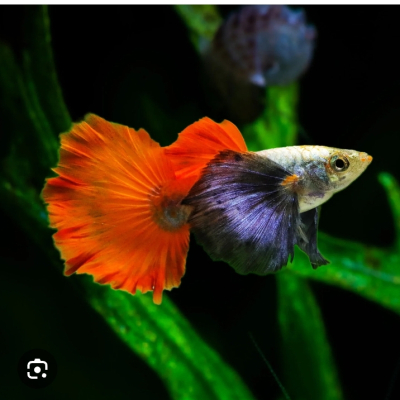
Guppy fish, also known as Poecilia reticulata, are one of the most popular freshwater fish among aquarists, thanks to their vibrant colors, energetic personalities, and relatively easy care requirements. Whether you're a beginner or an experienced fish keeper, understanding how to properly care for and breed guppies can enhance your fishkeeping experience. This comprehensive guide will provide you with all the information you need to ensure your guppies thrive and breed successfully.


1. Introduction to Guppy Fish

Guppy fish are small, tropical freshwater fish native to South America. They are often referred to as "million fish" due to their rapid breeding rate. Guppies are known for their wide range of colors, patterns, and tail shapes, making them a visually appealing addition to any aquarium. They are hardy fish that can adapt to various water conditions, making them ideal for both novice and seasoned aquarists.


2. Setting Up the Perfect Guppy Tank

A well-designed tank is essential for keeping guppies healthy and happy. Here’s how to set up the ideal environment for your guppies:

  • Tank Size: A minimum of 10 gallons is recommended for a small group of guppies, but a larger tank is always better, as it provides more swimming space and reduces stress.
  • Water Parameters: Guppies thrive in water temperatures between 74-82°F (23-28°C) with a pH level between 6.8 and 7.8. Consistency is key, so use a reliable heater and thermometer to maintain stable conditions.
  • Filtration: A good filtration system is crucial for keeping the water clean and oxygenated. Choose a filter appropriate for the size of your tank, ensuring it doesn’t create a strong current, as guppies prefer gentle water flow.
  • Substrate and Decorations: Fine gravel or sand makes an excellent substrate for guppy tanks. Include live or silk plants, rocks, and decorations to create hiding spots and reduce stress. Plants like java moss and hornwort also help maintain water quality and provide hiding spots for fry.

3. Feeding Your Guppy Fish

Guppies are omnivores, meaning they require a balanced diet of plant and animal matter. Here’s a guide to feeding your guppies:

  • Flake Food: High-quality tropical fish flakes should be the staple of their diet, providing essential nutrients like proteins, fats, and vitamins.
  • Live and Frozen Foods: Supplement their diet with live or frozen foods like brine shrimp, daphnia, and bloodworms. These protein-rich foods help enhance their color and vitality.
  • Vegetables: Offer vegetables such as blanched peas, spinach, or zucchini slices to provide additional fiber, which aids digestion.

4. Breeding Guppy Fish

Guppies are known for their prolific breeding habits, making them an excellent choice for hobbyists interested in fish breeding. Here’s how to breed guppies successfully:

  • Setting Up a Breeding Tank: If you plan to breed guppies, consider setting up a separate breeding tank to control the environment more closely and protect the fry from being eaten by adult fish.
  • Identifying Males and Females: Male guppies are usually smaller with more vibrant colors and longer fins, while females are larger with rounder bodies and less colorful. To increase breeding success, keep a ratio of one male to two or three females.
  • Breeding Process: Guppies are livebearers, meaning the female gives birth to live fry instead of laying eggs. Once mating occurs, the gestation period lasts about 21-30 days. Females can give birth to 20-50 fry at a time, depending on their size and age.
  • Caring for Fry: After birth, move the fry to a separate tank or provide plenty of hiding places in the main tank to protect them from being eaten. Feed them finely crushed flakes or specialized fry food several times a day.

5. Maintaining Water Quality

Keeping your guppy tank clean is essential for preventing disease and promoting healthy fish. Here’s how to maintain optimal water quality:

  • Regular Water Changes: Perform partial water changes of about 25-30% weekly to remove waste and toxins.
  • Testing Water Parameters: Regularly test the water for pH, ammonia, nitrites, and nitrates using a reliable test kit. Keeping these parameters in check helps prevent stress and disease.
  • Cleaning the Tank and Equipment: Clean the tank walls, substrate, and decorations regularly to prevent algae buildup. Rinse the filter media in old tank water during water changes to maintain beneficial bacteria.

6. Preventing and Treating Common Diseases

Guppies are generally hardy fish, but they can be susceptible to certain diseases, especially if their environment is not properly maintained. Here are some common guppy diseases and how to prevent them:

  • Ich (White Spot Disease): Ich is a parasitic infection that appears as white spots on the fish's body and fins. It is often caused by stress or sudden changes in water conditions. To prevent ich, maintain stable water conditions and quarantine new fish before adding them to your main tank.
  • Fin Rot: This bacterial infection causes the fins to become ragged and discolored. It is usually a result of poor water quality. Prevent fin rot by keeping the tank clean and performing regular water changes.
  • Swim Bladder Disorder: This condition affects a fish’s ability to swim properly and is often caused by overfeeding or poor water quality. Feed guppies a balanced diet and avoid overfeeding to prevent swim bladder issues.

7. Tips for Advanced Guppy Keepers

For experienced aquarists looking to take their guppy-keeping skills to the next level, here are some advanced tips:

  • Selective Breeding: Selective breeding allows you to enhance specific traits such as color, fin shape, or size. This requires careful selection of breeding pairs and monitoring of offspring.
  • Creating a Guppy Biotope: A biotope aquarium replicates the natural habitat of guppies. For guppies, this means setting up a tank with soft, acidic water, plenty of plants, and dim lighting to mimic the South American streams they originate from.
  • Participating in Guppy Shows: For those who take guppy keeping to the next level, consider participating in guppy shows and competitions. These events allow you to showcase your guppies and connect with other enthusiasts.

Conclusion

Guppy fish are a delightful addition to any aquarium, offering vibrant colors and lively personalities. By understanding their specific care requirements and breeding habits, you can ensure a healthy and thriving guppy population in your tank. Whether you’re just starting or looking to advance your fishkeeping skills, guppies provide endless enjoyment and opportunities for learning.


Read more

Breeding Blue Topaz Guppies: Maintaining Their Str

Blue Topaz Guppies are highly sought after for their shimmering blue tones, making them a favorite among hobbyists. Breeding these fish to preserve th

From Tissue Culture to Tank: A Step-by-Step Guide

Micra, or Micranthemum, is a popular aquarium plant often sold in tissue culture cups. These lab-grown plants are free from pests, algae, and harmful

Breeding Blue Mosaic Guppies: Tips for Maintaining

Introduction Blue Mosaic Guppies are prized for their intricate patterns and brilliant blue hues. Breeding them successfully while preserving their s

Budgerigar Bird Farming Tips for Breeding and Expa

Budgerigar bird farming offers exciting opportunities for breeders to expand their operations while maintaining high productivity. To succeed in breed

Your Complete Guppy Fish Care Handbook

Guppy fish are one of the most popular freshwater fish for both beginner and experienced aquarists. Their vibrant colors, lively behavior, and ease of

Algae vs. Java Moss: How to Keep Your Tank Clean a

Aquarium hobbyists often admire Java Moss for its lush, green appearance and low-maintenance appeal. However, its beauty can be overshadowed by the ra

Red Metal Guppy: Care Tips for Their Vibrant Metal

Red Metal Guppies are prized for their striking metallic sheen and vivid red hues. To maintain their vibrant colors, proper care, nutrition, and tank

Blue Grass Guppy Care: A Complete Guide for Beginn

The Blue Grass Guppy is a mesmerizing freshwater fish that captivates aquarists with its vibrant blue hues and intricate patterns. This guide will hel

Micra Carpet Guide: How to Achieve a Thick Green M

A lush, low-growing carpet is the crown jewel of many aquascapes, and few plants do it better than Micra (Hemianthus micranthemoides). Known for its d

Caring for Guppy Fish What You Need to Know

Guppy fish are a favorite among aquarium enthusiasts due to their vibrant colors, active nature, and ease of care. Known scientifically as Poecilia re

From Planting to Harvest: A Comprehensive Guide to

Orchid farming, with its captivating blooms and diverse varieties, offers both aesthetic pleasure and commercial opportunities. Whether you’re a hob

Breeding Blue Dragon Guppies: Tips for Success and

Breeding Blue Dragon Guppies can be a rewarding experience, especially when you’re aiming to preserve their stunning colors and patterns. Follow the


Just for you