Marlin Aqua
Support - 01540782627 (9am-9pm)

Blue Panda Guppy Care: Essential Tips for Keeping Them Healthy and Vibrant

December 05, 2024

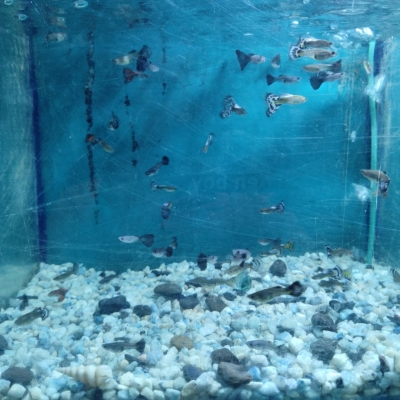
Blue Panda Guppies are prized for their stunning appearance and lively nature, making them a favorite among aquarium enthusiasts. To ensure they remain healthy and showcase their vibrant colors, proper care is essential. This guide offers practical tips for keeping your Blue Panda Guppies thriving in your aquarium.


1. Provide the Right Tank Setup


The foundation of healthy Blue Panda Guppies lies in a well-prepared aquarium.


  • Tank Size: A 10-gallon tank is suitable for small groups, while a 20-gallon or larger tank is ideal for breeding or larger schools.

  • Substrate: Use fine gravel or sand. A darker substrate enhances their colors.

  • Filtration: Opt for a gentle sponge filter or hang-on-back filter to maintain water quality without causing stress.

  • Water Temperature: Keep the water between 75–82°F (24–28°C).


2. Maintain Excellent Water Quality


Blue Panda Guppies are sensitive to water quality, so regular maintenance is crucial.


  • pH Levels: Keep the pH between 6.8 and 7.8.

  • Hardness: Moderate water hardness (8–12 dGH) is ideal.

  • Water Changes: Perform 20–30% weekly water changes to remove toxins and keep the environment clean.

  • Testing: Use water test kits to monitor ammonia, nitrite, nitrate, and pH levels regularly.


3. Feed a Balanced Diet


A proper diet enhances their health and vibrant coloration.


  • Staple Foods: High-quality guppy flakes or pellets.

  • Live/Frozen Foods: Include brine shrimp, daphnia, and bloodworms for variety and protein.

  • Vegetables: Blanched spinach or zucchini can provide additional nutrients.

  • Feeding Schedule: Feed small amounts 2–3 times daily to prevent overfeeding and water contamination.


4. Avoid Overcrowding


Overcrowding can lead to stress and health issues.


  • Stocking Rule: Stick to one guppy per gallon of water for a comfortable and healthy environment.

  • Tank Mates: Choose peaceful species like neon tetras, Corydoras, or other small community fish to prevent aggression.


5. Monitor Their Health


Regular observation helps catch potential issues early.


  • Signs of Health: Active swimming, bright colors, and healthy fins.

  • Common Issues: Watch for signs of disease such as white spots (Ich), clamped fins, or unusual behavior.

  • Treatment: Quarantine sick fish and use appropriate treatments like aquarium salt or medications as needed.


6. Encourage Natural Behavior


Creating a natural environment helps your Blue Panda Guppies feel at home.


  • Plants and Hiding Spots: Add live plants like Java moss or Anubias, and include decorations for hiding and exploring.

  • Lighting: Moderate LED lighting enhances their colors without causing stress.


7. Ensure a Stress-Free Environment


Stress can weaken guppies, making them susceptible to illness.


  • Stable Conditions: Avoid sudden changes in temperature or water parameters.

  • Gentle Currents: Ensure the water flow is mild to match their preferences.

  • Breeding: If breeding, provide ample hiding spots for fry to prevent adult guppies from eating them.


8. Breed Responsibly


If you plan to breed your Blue Panda Guppies, do so with care.


  • Pair Selection: Choose healthy guppies with vivid colors and strong patterns for breeding.

  • Fry Care: Isolate the fry in a separate tank or breeding box and feed them high-protein fry food for optimal growth.


Conclusion


Caring for Blue Panda Guppies is both rewarding and enjoyable. By providing a clean, stress-free environment, a balanced diet, and proper tank conditions, you can ensure these stunning fish remain healthy and vibrant. A well-maintained tank not only benefits your guppies but also creates a visually captivating centerpiece for your home.


Questions:

Provide a spacious tank with gentle filtration, stable water parameters, and plenty of hiding spots like plants and decorations. Avoid sudden changes in temperature or water quality.

Feed them a balanced diet of high-quality flakes or pellets, along with live or frozen foods like brine shrimp, daphnia, and bloodworms. Supplement with blanched vegetables like spinach or zucchini for added nutrients.

Maintain clean water, avoid overfeeding, and quarantine new fish before adding them to the main tank. Regularly monitor your guppies for signs of illness, such as white spots or clamped fins.

Blue Panda Guppies are prized for their striking blue and black coloration, resembling a panda’s pattern. Their vibrant colors and active nature make them a favorite among aquarium enthusiasts.

Provide a varied and high-quality diet, maintain excellent water quality, and use moderate lighting to enhance their natural coloration.

Read more

Ensuring Bunny Dental Health: A Guide to Rabbit De

Maintaining proper dental health is crucial for the overall well-being of pet rabbits. In this comprehensive guide, we'll explore the importance of ra

The Joy of Keeping Guppy Fish Tips and Tricks

Guppy fish are among the most popular choices for aquarium enthusiasts, especially beginners. Their vibrant colors, lively behavior, and relatively si

Guppy Fish Farming Basics Key Steps for Beginners

Guppy fish farming is a rewarding hobby and business that appeals to both beginner aquarists and commercial breeders. These colorful, easy-to-breed fi

Nurturing Your Gardens Foundation: Essential Soil

Essential Soil Preparation Techniques for Thriving PlantsA flourishing garden begins with healthy soil—it's the foundation upon which vibrant plants

Comprehensive Care Guide for Neon Tetras: Tank Set

Neon Tetras are among the most popular freshwater aquarium fish, admired for their vibrant colors and peaceful temperament. If you're looking to raise

Top Mistakes to Avoid When Keeping Colorful Shrimp

Colorful shrimp, such as Neocaridina and Caridina species, are popular for their stunning appearance and active behavior. However, maintaining their h

Harmony in the Garden: Companion Planting Tips for

Companion Planting Tips for Dahlia EnthusiastsCompanion planting is a time-honored gardening practice that involves strategically pairing plants to en

How to Maintain Vibrant Colors in Aquarium Shrimp:

Keeping aquarium shrimp colorful is a rewarding part of the hobby, but it requires proper care and attention to detail. With the right environment, di

Your Complete Guppy Fish Care Handbook

Guppy fish are one of the most popular freshwater fish for both beginner and experienced aquarists. Their vibrant colors, lively behavior, and ease of

Setting Up a Suitable Tank for Blue Grass Guppies:

Blue Grass Guppies are a popular and eye-catching guppy strain known for their vibrant blue hues and intricate patterns. Creating an ideal tank for th

Common Diseases in Neon Tetras and How to Treat Th

Neon Tetras are popular for their vibrant colors and peaceful nature, but like all fish, they are prone to certain diseases. Understanding these illne

Common Poultry Diseases and How to Prevent Them

Introduction to Poultry Health and Disease Prevention Why Disease Prevention Matters: Healthy poultry yield better production rates, minimize lo


Just for you